How Effective Cleaning Leads to Superior Paint Adhesion
Surface preparation is a critical step before painting any structure. It ensures that the paint adheres properly and lasts longer. One essential method used for this preparation is pressure washing. Understanding the role of pressure washing can help achieve the best results when preparing surfaces for painting. This guide will explore how it works, its benefits, and best practices to ensure effective surface cleaning for painting projects.
Why Proper Surface Preparation Matters
Proper surface preparation is crucial because it removes dirt, grime, and old paint residues that can hinder new paint from sticking well. A clean surface ensures that the paint bonds correctly, leading to a smooth finish and increasing the longevity of the paint job. Neglecting this step may result in peeling or chipping paint soon after application, which can be both time-consuming and costly to fix.
Benefits of Using Pressure Washing Techniques
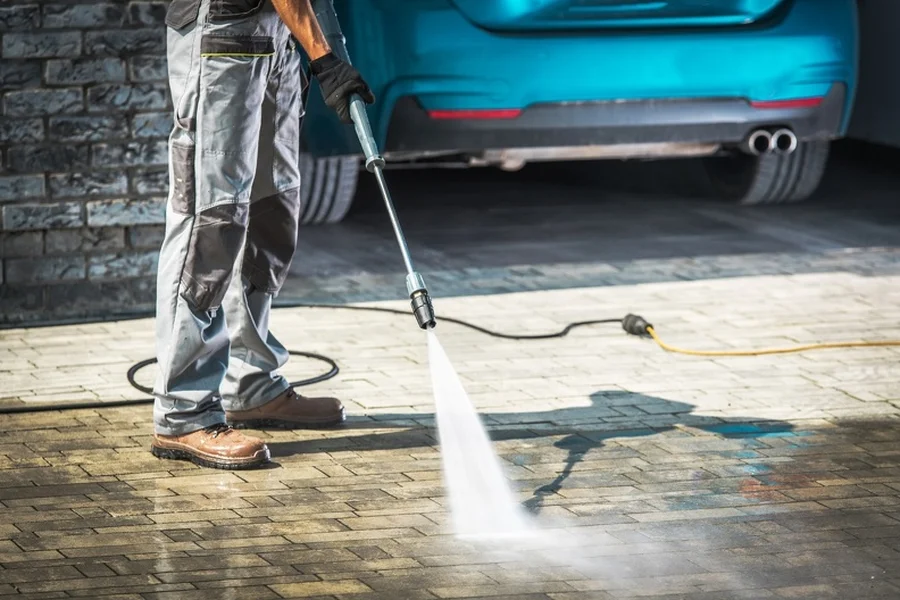
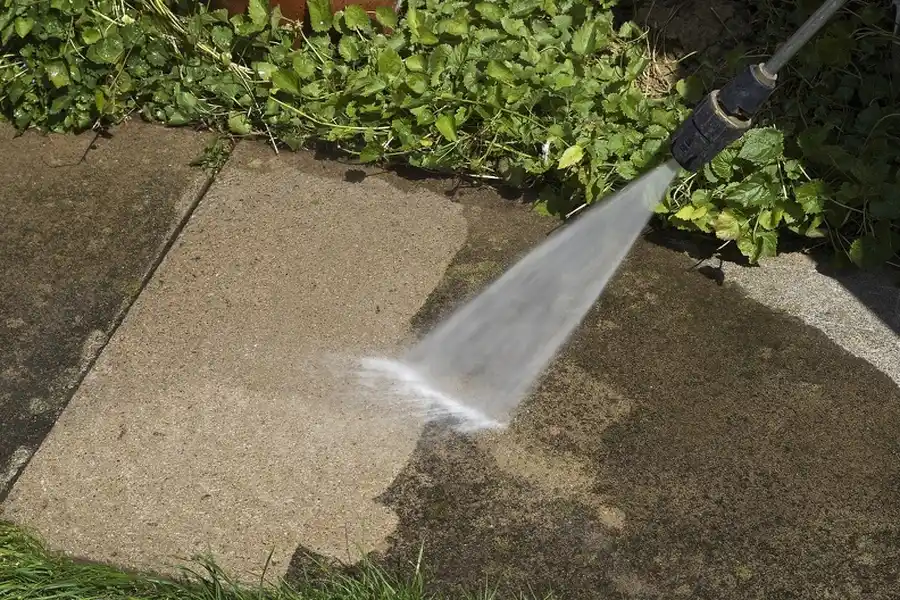
Pressure washing offers several advantages in surface preparation for painting. It efficiently removes stubborn stains and debris without damaging the surface underneath. It’s faster than manual scrubbing and reaches areas that are otherwise difficult to clean. In addition, pressure washing services save time and effort, allowing you to focus on other aspects of your painting project.
Common Challenges in Surface Preparation
One common challenge in surface preparation is dealing with tough layers of dirt or contaminants that don’t come off easily. Additionally, improper use of pressure washing equipment can lead to surface damage, such as wood splintering or etching concrete. To avoid these issues, it’s important to understand the correct techniques and settings needed for different surfaces.
Steps for Effective Pressure Washing
- Select the right nozzle: Different nozzles provide varying degrees of pressure suitable for specific surfaces.
- Adjust the pressure: Ensure the pressure setting matches the material being cleaned to prevent damage.
- Maintain distance: Keep an appropriate distance between the washer and surface to avoid excessive force.
- Move consistently: Use consistent motions to cover all areas evenly and prevent streaks.
Best Practices for Safe Pressure Washing
Safety should always be a priority when using pressure washing equipment. Wear protective gear like goggles and gloves to protect yourself from flying debris. Regularly inspect your equipment to ensure everything functions correctly. Additionally, never point the pressure washer at people or animals. Following these best practices ensures efficient and safe cleaning operations.
Industry Standards for Pressure Washing
Adhering to industry standards is necessary to ensure quality results in pressure washing. These standards dictate the appropriate water pressures, nozzle types, and cleaning agents used for various surfaces. Compliance with these guidelines not only guarantees effective cleaning but also protects structures from potential damage during preparation.
Cost Considerations for Pressure Washing
The cost of pressure washing can vary based on factors such as the size of the area needing cleaning and the complexity of the task. However, considering it is often more efficient than other methods, pressure washing can be a cost-effective solution for surface preparation. Investing in quality service provides value in terms of durability and appearance of the finished paint job.
Concluding Insights With Expert Advice
For anyone looking to prepare their surfaces effectively before painting, understanding the role of pressure washing cannot be overlooked. Whether you’re handling residential or commercial properties, proper preparation leads to satisfactory outcomes. Our team at Nolan's Prime & Paint is ready to assist with expert knowledge and superior service delivery. Operating out of Jamaica, NY, we are committed to providing top-quality solutions tailored to meet your needs. Reach us at (347) 980-6752 today to learn more about our offerings.