Ensuring a Long-Lasting and Appealing Finish on Exterior Surfaces
When it comes to painting the outside of your home, preparation is crucial. Without the right groundwork, even the best paint might not stick well or last long. Preparing surfaces before applying paint helps to ensure that the final look is smooth and durable. This process involves cleaning, sanding, and priming surfaces to remove dirt and imperfections, which allows the paint to adhere better. In this article, we will discuss why proper surface preparation is essential and how it can make a difference in the overall quality of your exterior painting project.
Why Preparation Is Key Before Painting
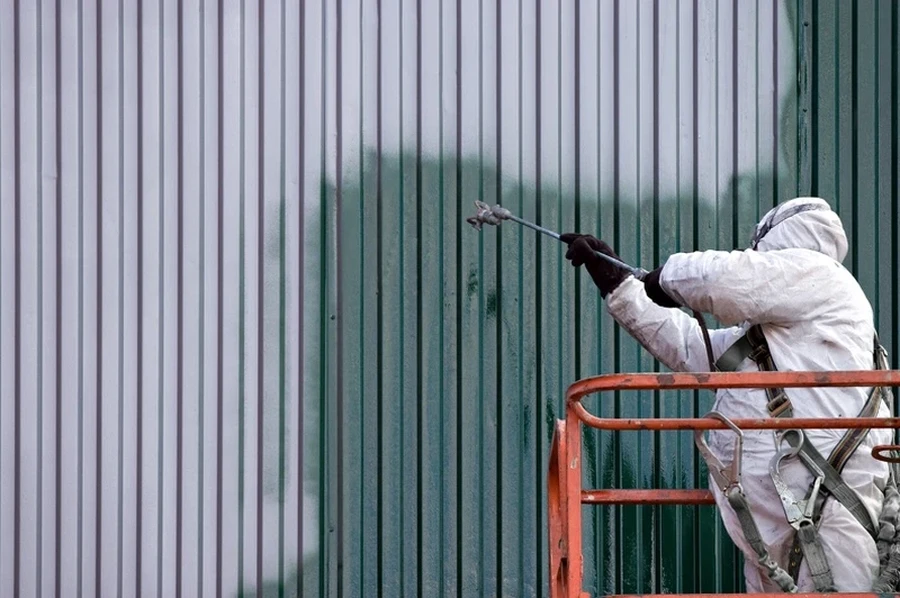
A good foundation ensures that your paint job will withstand the test of time. Poor preparation often leads to peeling, cracking, or fading paint. By taking the necessary steps, you ensure that the new coat of paint has a clean and stable surface to cling to. Whether you’re working with wood, vinyl, or brick, understanding the needs of each material can enhance the effectiveness of your exterior painting.
Benefits of Proper Surface Preparation
Preparing surfaces correctly offers many advantages. First, it increases paint adhesion, reducing the likelihood of bubbling or chipping over time. Second, it brings out the true color and finish of the paint, making your home look vibrant and inviting. Finally, thorough preparation extends the lifespan of the paint job, potentially saving money on future maintenance.
Challenges in Surface Preparation
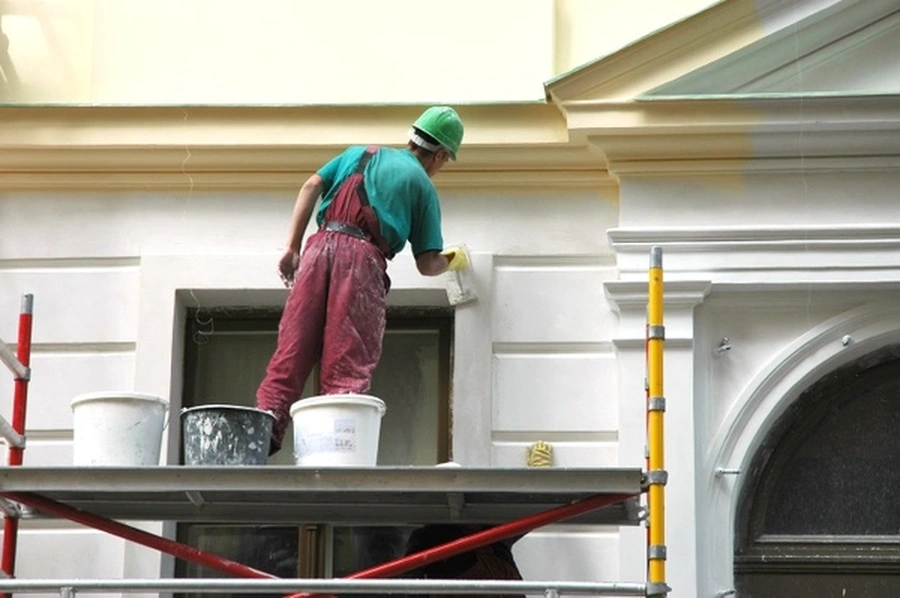
One of the biggest challenges is dealing with weather conditions that affect how well you can prepare a surface. Humidity or rain can hinder progress, while extreme temperatures may impact materials differently. Additionally, older homes might have layers of old paint that need removal-a task that requires special care and expertise.
Steps for Effective Surface Preparation
To achieve the best results, follow these steps:
- Clean all surfaces thoroughly to remove dirt and grime.
- Repair any cracks or damages found on the walls.
- Sand surfaces smoothly to eliminate rough spots.
- Apply primer where necessary to promote better adhesion.
Best Practices for Prepping Your Home’s Exterior
Experts recommend prioritizing safety by using protective gear when scraping or sanding older paint. It’s essential to use high-quality tools and materials for cleaning and priming. Choose primers that match the type of surface you’re working with for optimal results.
Industry Standards for Surface Preparation
There are specific guidelines that professionals follow to ensure quality work. For instance, wood surfaces should be dry and free from loose fibers before painting begins. Brick and masonry require particular primers that seal pores adequately. Adhering to these standards helps deliver outstanding outcomes.
Factors Influencing Cost
The cost of preparing surfaces depends on several factors such as the size of your home and existing conditions. More extensive prep work may be needed for older buildings, increasing labor costs. However, investing in proper preparation usually pays off by avoiding costly repairs down the line.
Our Recommendations for Your Painting Project
If you’re planning an exterior painting project, prioritize proper surface preparation to achieve long-lasting results. It’s essential to understand each step involved and use suitable materials for different surfaces. Remember that attention to detail during prep work paves the way for successful painting. Located in Jamaica, NY, we offer expert guidance and services tailored to meet your needs. Contact us at (347) 980-6752 today to learn how Nolan's Prime & Paint can help transform your home’s appearance.